
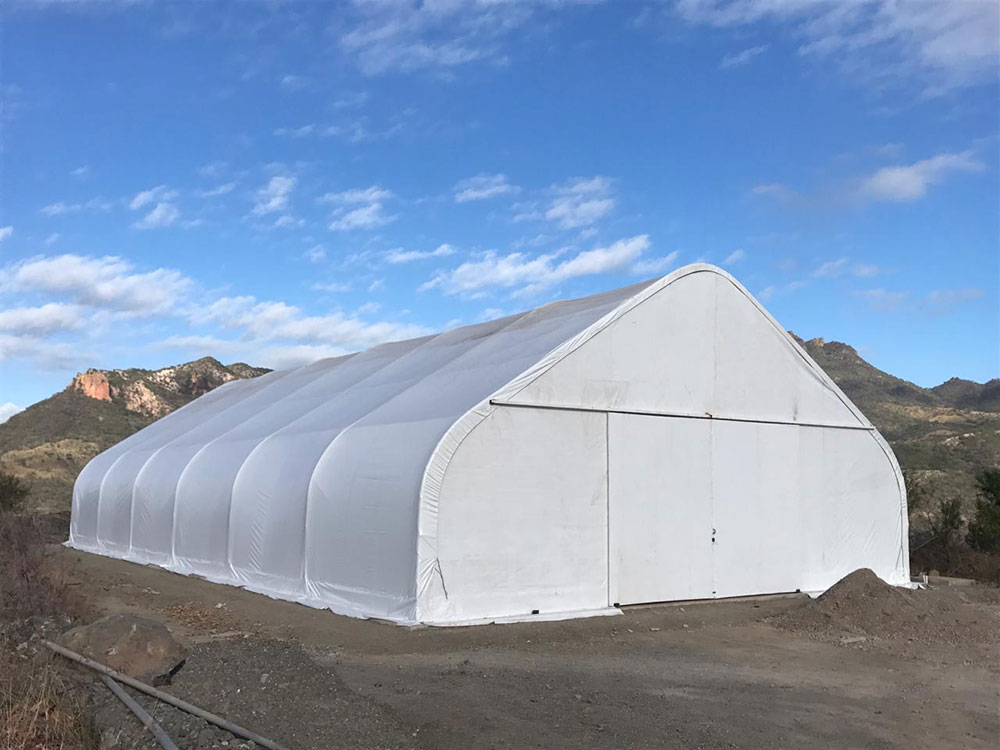
Protection from the Elements
One of the primary functions of industrial shelters is to shield valuable assets, equipment, and personnel from the harsh elements. Extreme weather conditions, be it heavy rain, scorching sun, or snowstorms, can disrupt operations and damage equipment. Industrial shelters provide a protective barrier, ensuring that the industrial processes continue smoothly, even in adverse weather.
Storage Solutions
Industrial spaces often require extensive storage for raw materials, finished products, and machinery. Shelters, such as warehouses and storage sheds, offer ample storage capacity and organization. This storage capability optimizes space utilization, streamlines inventory management, and enhances operational efficiency.
Workspaces and Production Areas
Industrial shelters can be tailored to serve as dedicated workspaces and production areas. These spaces facilitate specialized manufacturing processes, assembly lines, or quality control checks. With the right configuration, they enhance workflow efficiency and provide a controlled environment for precision work.
Safety and Compliance
Safety is paramount in industrial environments. Industrial shelters can be equipped with safety features such as fire suppression systems, ventilation, and emergency exits to ensure a secure working environment. Additionally, they assist in regulatory compliance, which is critical for avoiding costly fines and maintaining a reputation for responsible business practices.
Customization and Adaptability
Industrial shelters are highly customizable to meet specific industrial requirements. They can be designed to accommodate heavy machinery, oversized equipment, and automation systems. This adaptability allows industries to stay agile and adjust to changing production needs without investing in extensive construction projects.
Energy Efficiency
Modern industrial shelters are designed with energy efficiency in mind. They can be equipped with insulation, energy-efficient lighting, and climate control systems to reduce energy consumption and operating costs. This eco-conscious approach aligns with sustainability goals and is increasingly vital in today's environmentally aware industrial landscape.
In conclusion, industrial shelters are indispensable components of industrial environments, offering protection, storage, enhanced workspaces, safety, customization, energy efficiency, and security. They play a vital role in maintaining operational continuity, meeting regulatory requirements, and ensuring the well-being of industrial personnel. For industries seeking to optimize their processes and enhance productivity, industrial shelters are not just structures; they are essential assets that drive success in the industrial sector.